

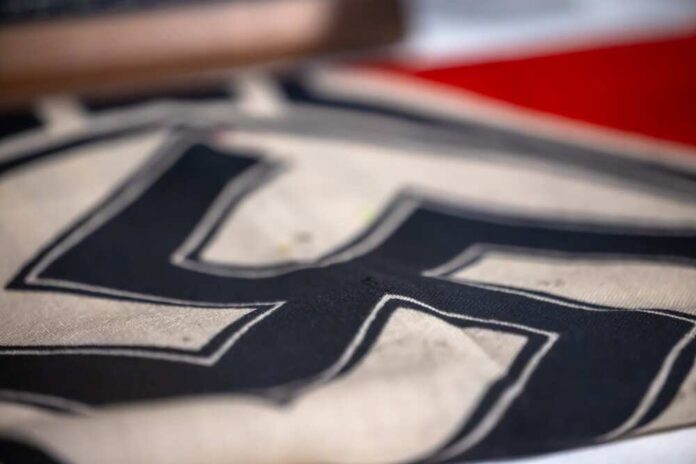
A disturbing Nazi-inspired terror campaign has shocked a town as investigators probe the appearance of swastikas painted with human blood across dozens of properties in a city already scarred by deadly extremist violence.
Story Highlights
- Nearly 50 cars, mailboxes, and buildings were defaced with human blood swastikas in Hanau, Germany.
- Police have no suspects or leads on the source of the human blood used in the hate crimes.
- Hanau was the site of a deadly 2020 terrorist attack that killed nine people with immigrant backgrounds.
- The investigation focuses on property damage and illegal use of Nazi symbols banned under German law.
Coordinated Hate Crime Spreads Terror
German authorities discovered nearly 50 vehicles vandalized with swastikas painted in human blood across Hanau on Wednesday night, marking a brazen escalation of extremist activity. Police spokesman Thomas Leipold confirmed that laboratory tests verified the reddish substance as human blood after a resident reported the disturbing discovery.
The systematic nature of the vandalism suggests a coordinated effort to spread fear and intimidation throughout the community using one of history’s most recognizable symbols of hate.
Cars in German city found smeared with swastikas in blood, police say https://t.co/Ctt1XvrjnE
— BBC News (World) (@BBCWorld) November 6, 2025
Investigation Stalls Amid Mysterious Circumstances
Investigators face significant challenges as they work to identify the perpetrators and the source of the human blood used in the attacks. Police acknowledge they have no clear indication whether specific targets were selected or if the vandalism occurred randomly across the town.
Beyond the blood-painted swastikas, additional unidentified scribblings appeared on cars and buildings, suggesting a broader pattern of extremist messaging. Authorities report no known injuries connected to the incidents, raising questions about how the perpetrators obtained the biological material.
Town Haunted by Previous Extremist Violence
The blood swastika campaign strikes at the heart of a community still healing from devastating terrorist violence just five years ago.
In February 2020, a German extremist gunman targeted two hookah bars in Hanau, murdering nine people specifically chosen for their immigrant backgrounds in what became one of Germany’s worst domestic terrorism cases since World War II.
The deliberate targeting of minority communities in that attack mirrors the intimidation tactics now being employed through Nazi symbolism, creating renewed fear among residents who hoped such hatred had been left in the past.
Legal Consequences for Nazi Symbol Display
German law strictly prohibits the display of Nazi emblems, including swastikas, treating such acts as serious criminal offenses that can result in significant penalties.
The combination of property damage charges and violations for using symbols of unconstitutional organizations ensures perpetrators face multiple criminal counts if apprehended.
This legal framework reflects Germany’s commitment to confronting its dark historical legacy and preventing the normalization of Nazi ideology.
White supremacist groups and neo-Nazi organizations continue exploiting these symbols to spread fear and hatred, making enforcement of these laws critical for maintaining public safety and social cohesion.