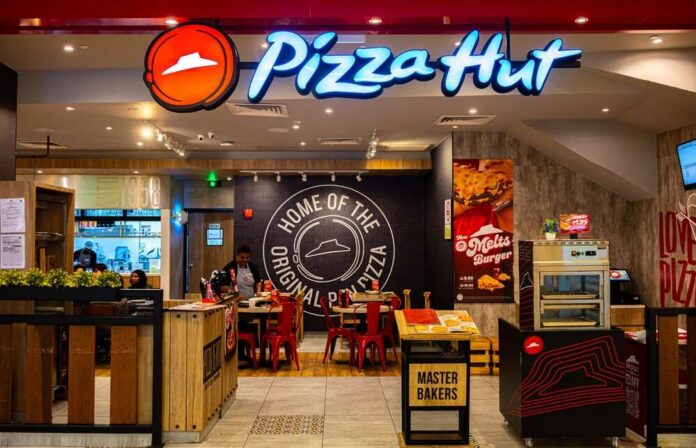
Yum Brands just sold off Pizza Hut for $2.7 billion and quietly confirmed who its real stars are now: Taco Bell and KFC.
Story Snapshot
- Pizza Hut is gone from Yum’s portfolio after nearly 30 years, sold for $2.7 billion in two pieces.
- The chain had a long stretch of weak sales while Taco Bell and KFC kept growing faster.
- Yum expects about $2.3 billion in cash after fees and lined up a $4 billion stock buyback.
- Analysts say the deal lets Yum lean harder into chicken and tacos, not pizza.
Why Yum Finally Let Go Of Its Iconic Pizza Brand
Yum Brands did not wake up one morning and decide it no longer liked pan pizza. The company had already launched a formal “strategic options” review for Pizza Hut in late 2025 after years of weaker sales and shrinking traffic compared with Taco Bell and KFC.[9]
Executives signaled then that Pizza Hut might reach its “full potential” better outside Yum’s walls, which is corporate code for: this brand is dragging on the portfolio and something has to give.
The new sale caps that process. Yum will receive $2.7 billion in total value by selling its Pizza Hut operations outside mainland China to private equity firm LongRange Capital for about $1.5 billion and its China business to Yum China Holdings for about $1.2 billion.[6]
The company expects about $2.3 billion in net proceeds after taxes and fees, plus a possible $75 million earn-out tied to performance goals.[1] That is a clean financial exit from a brand that had become a headache.
Yum Brands sells Pizza Hut for $2.7B, sharpens focus on Taco Bell and KFC https://t.co/xUPWRZPe2S
— FOX Business (@FoxBusiness) June 17, 2026
Pizza Hut’s Slide While Taco Bell And KFC Pulled Ahead
Pizza Hut once dominated family pizza night. Then the market changed faster than the brand did. Yum’s own disclosures show that Pizza Hut posted declining United States comparable sales quarter after quarter while rivals like Domino’s grabbed the delivery and digital high ground.[1]
By 2025, Pizza Hut made up only a low-teens slice of Yum’s operating profit, far less than the Taco Bell business in the United States.[9] Investors do not reward nostalgia; they reward growth and strong unit economics.
At the same time, Taco Bell and KFC were doing what growth brands are supposed to do: post positive same-store sales and open new restaurants. Taco Bell’s recent quarters have shown mid-to-high single-digit comparable sales gains, while KFC’s international business also expanded.[9]
That gap matters. In a world of tighter consumer budgets and new diet drugs cutting into mindless snacking, weaker concepts become dead weight.
Where The $2.3 Billion Windfall Is Really Headed
Yum’s leadership did not spell out a detailed “Taco Bell-first” or “KFC-first” spending blueprint in the sale press release. There is no fine-print promise that a specific dollar amount of capital expenditures shifts from pizza ovens to taco shells or pressure fryers.
What they did announce is just as telling: the board approved an extra $4 billion stock repurchase program alongside the Pizza Hut deal.[4] That is the classic big-company move: shrink the share count and lift earnings per share once a lagging asset is gone.
Yum Brands, a Louisville, Kentucky-based fast food conglomerate, has agreed to sell Pizza Hut for $2.7 billion. Here's what the sale means. https://t.co/sKKnobjYZ2
— HutchNews (@HutchNews) June 17, 2026
Critics point out that some analysts see the $2.7 billion price as underwhelming for such a famous brand and argue Yum might be “shedding the weakest link” more than executing a brilliant new growth plan. That concern has teeth.
Still, when a division posts declining sales for years in a row, the risk of doing nothing outweighs the risk of selling at a less-than-perfect price. To most right-leaning investors, cutting losses and backing winners beats sentimental empire-building every time.[11]
What This Signals About The Future Of Fast Food Giants
This sale also fits a wider corporate pattern. Big food companies constantly prune and replant their brand gardens. When a chain slows, leaders either fix it, spin it off, or sell it and double down on faster concepts.[24]
Chicken chains and Mexican-style quick-service spots, like KFC and Taco Bell, sit in the fastest-growing segments of the industry, while pizza faces tougher headwinds from health trends, higher prices, and changing habits.[21] Yum is effectively betting that tacos and chicken buckets will outrun pizza over the next decade.
Some media framing focuses on the drama of an “iconic brand” being cut loose, as if this is a morality play about corporate greed. A more grounded view sees something simpler: a management team moving capital away from a long-term underperformer and toward concepts with better economics and stronger demand signals.
That is how healthy markets are supposed to work. Brands that adapt and grow attract more money. Brands that stall either reinvent themselves under new owners or fade out.
Sources:
[1] Web – Yum Brands sells Pizza Hut for $2.7B, sharpens focus on Taco Bell and …
[4] Web – Yum! Brands Agrees to Sell Pizza Hut for $2.7 Billion – QSR Magazine
[6] X – Yum Brands to Sell Pizza Hut for $2.7 Billion
[9] Web – Yum Brands begins strategic review for struggling Pizza Hut chain
[11] Web – Yum Brands begins strategic review for struggling Pizza Hut chain
[21] Web – The Fast Food Industry in America | Market Overview & Insights
[24] Web – Big Food Divestitures: Food Companies Refocus on Core Assets …