
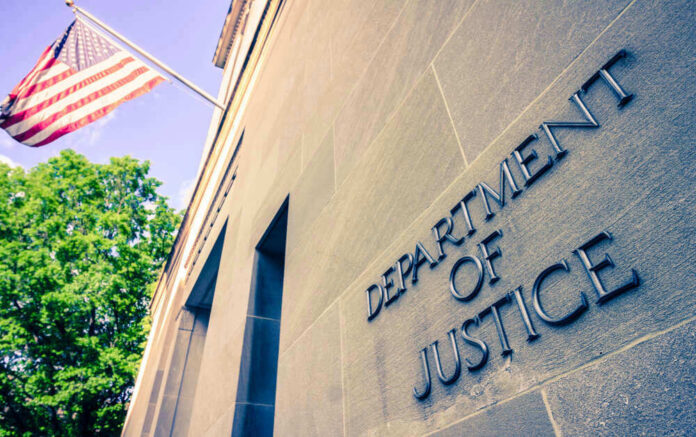
The Trump administration’s Department of Justice has escalated its immigration enforcement battle by serving grand jury subpoenas to Minnesota’s top Democrat officials, investigating them for allegedly conspiring to obstruct federal ICE operations—using the same federal statute once weaponized against January 6 defendants.
Story Snapshot
- DOJ served subpoenas on January 20, 2026, to Gov. Tim Walz, AG Keith Ellison, Minneapolis Mayor Jacob Frey, and other Minnesota officials for alleged immigration obstruction
- The investigation uses 18 U.S.C. § 372, the same conspiracy statute previously used against Trump supporters in January 6 cases
- Probe stems from officials’ resistance to massive ICE operation deploying 3,000 agents—five times larger than the Minneapolis police force
- Legal experts skeptical of criminal charges, noting First Amendment protections for policy disagreements and political speech
Federal Crackdown Targets Democrat Opposition
The Department of Justice delivered grand jury subpoenas on January 20, 2026, to Minnesota Governor Tim Walz, Attorney General Keith Ellison, Minneapolis Mayor Jacob Frey, St. Paul Mayor Kaohly Her, and officials in Ramsey and Hennepin Counties. Federal prosecutors are investigating whether these Democrat leaders conspired to impede federal immigration officers during ICE operations throughout the Twin Cities.
The timing coincided with Attorney General Pam Bondi’s visit to Minnesota, underscoring the administration’s determination to enforce immigration law despite local political resistance. The subpoenas demand records and communications related to officials’ public opposition to federal immigration enforcement activities.
Same Statute Used Against Patriots Now Targets Sanctuary Sympathizers
The investigation invokes 18 U.S.C. § 372, a federal statute criminalizing conspiracy to impede law enforcement officers. This represents a remarkable reversal—the Trump administration is now using the exact same legal weapon that was previously deployed against January 6 defendants, many of whom President Trump pardoned on his first day back in office.
Deputy Attorney General Todd Blanche warned that officials’ public statements and alleged encouragement of 911 calls reporting ICE sightings came “very close to federal crime.” This application highlights the double standard many conservatives witnessed during Biden’s tenure, when peaceful protestors faced harsh prosecution while cities openly defied federal immigration enforcement.
Massive ICE Deployment Sparked Political Confrontation
The conflict erupted after DHS deployed approximately 3,000 ICE and Border Patrol agents to the Minneapolis area in early January 2026 for “Operation Metro Surge,” targeting illegal immigrants and investigating fraud. This federal force dwarfed the Minneapolis Police Department’s 600 officers.
The operation intensified after an ICE officer killed Minneapolis resident Renee Good on January 7, sparking daily protests and accusations of heavy-handed tactics. Governor Walz and Mayor Frey publicly condemned the operations as federal overreach, with Frey allegedly urging residents to call 911 when spotting ICE agents—actions the White House claims incited chaos and obstruction of lawful enforcement.
BREAKING: DOJ serves grand jury subpoenas to Walz, Frey, Ellison and 2 other offices as part of investigation into alleged conspiracy to coerce or obstruct federal law enforcement during ongoing ICE operations in Minnesota, sources tell @AlexisMcAdamsTV pic.twitter.com/y8Y6aJhExl
— Fox News (@FoxNews) January 20, 2026
First Amendment Defense Challenges Prosecution Viability
Legal experts express substantial skepticism about potential criminal charges emerging from this investigation. Former federal prosecutor Gene Rossi argued the subpoenas appear invalid under First Amendment protections, stating that criminal conspiracy requires concrete actions beyond political speech or policy disagreements.
Rossi warned against “criminalizing policy of a president,” noting that elected officials retain constitutional rights to criticize federal operations and advocate for their constituents.
Minneapolis Mayor Frey dismissed the subpoena as an “obvious attempt to intimidate” officials simply doing their jobs, vowing he would not be deterred. The case tests federalism’s boundaries—balancing legitimate federal immigration enforcement against states’ rights and constitutional speech protections.
The investigation also encompasses the January 19 disruption at Cities Church in St. Paul, where anti-ICE agitators stormed Sunday services, prompting a separate DOJ civil rights probe led by Assistant Attorney General Harmeet Dhillon. This incident exemplifies the escalating tensions between federal enforcement priorities and local resistance in sanctuary-leaning jurisdictions.
The Twin Cities’ large immigrant communities face heightened anxiety as arrests continue, while businesses participated in a “Day of Truth and Freedom” economic blackout to protest what they characterize as indiscriminate operations. Governor Walz accused President Trump of “weaponizing the justice system,” pointedly noting no investigation into the ICE officer who killed Renee Good.