

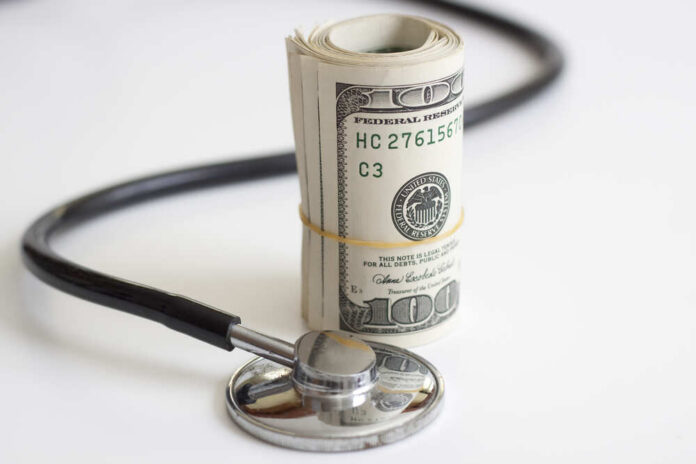
More hospitals are telling patients to pay before they get treated, not after, and the reason comes down to simple math on who actually pays the bill.
Story Snapshot
- Hospitals increasingly ask patients to pay estimated deductibles or co-insurance before scheduled procedures, not just at discharge.
- The shift tracks the rise of high-deductible health plans, which push more of the bill onto patients directly.
- Industry data shows collecting money after care is delivered is slow, costly, and often unsuccessful for hospitals.
- Federal law still requires emergency rooms to treat and stabilize patients regardless of ability to pay.
Why Hospitals Want The Money Before The Procedure
Hospital finance executives say the old billing model no longer works. Patients used to owe small co-pays that insurers covered the rest of. Now many carry deductibles of several thousand dollars, and hospitals say chasing that money after surgery is a losing bet.
A Wall Street Journal reporter covering the trend explained that collecting after treatment costs hospitals time and money, so getting paid upfront makes financial sense for the provider.
The trend of hospitals asking for money up front represents a double whammy for patients. https://t.co/fzo3BqGvs7
— CBS Miami (@CBSMiami) August 12, 2026
Richard Gundling, a senior executive at the Healthcare Financial Management Association, an industry trade group, estimated that roughly three-quarters of hospital and health systems now request payment at the time care is given, a practice known as point-of-service collection.
That number reflects a long build-up. Reporting on the topic goes back over a decade, showing this is not a sudden policy change but a steady industry-wide shift in how bills get paid.
The financial pressure is real on the hospital side. Data from accounting firm Crowe found that once a patient’s balance climbs into the thousands of dollars, the odds of ever collecting it drop sharply, with collections falling off a cliff around the $7,500 mark.
That kind of “vanishing point” for unpaid bills explains why finance teams push staff to secure payment before a patient ever reaches the operating room.
Rising Deductibles Are Driving The Trend
The root cause traces back to insurance design, not hospital greed. Employers and insurers shifted toward high-deductible health plans over the past fifteen years to slow premium growth, and that shift moved more upfront cost onto workers and families.
Deductibles that once sat near a few hundred dollars now commonly range from $1,500 to $8,000 for individual coverage, according to industry analysis of the trend.
Patients are feeling the squeeze on both ends. CBS News described the situation as a “double whammy,” since hospitals are collecting a larger share of what patients owe at the exact moment those patient balances are growing larger too.
A patient facing a $4,000 deductible for a scheduled surgery may now be asked to hand over that amount, or a large chunk of it, before ever checking into pre-op.
Research backs up why hospitals feel forced into this position. A study of hospital repayment patterns from 2018 through 2024 found that patient cost-sharing repayments have been incomplete and have actually declined in recent years, leaving both patients stuck with medical debt and hospitals stuck with collections shortfalls.
Neither side is winning under the current setup, which is exactly why upfront collection has become the industry’s preferred fix.
What Patients Still Have A Right To Expect
Federal law has not changed the ground rules for true emergencies. The Emergency Medical Treatment and Active Labor Act requires nearly all hospitals to stabilize and treat a patient with an urgent medical emergency, regardless of insurance status or ability to pay.
Upfront payment demands generally apply to scheduled, non-emergency procedures like elective surgeries, not to someone rolling into the emergency room in crisis.
Patient advocacy groups argue the real fix is price transparency, not just faster collection. Patient Rights Advocate has pushed for federal rules requiring hospitals to post real prices before care is given, arguing that knowing the cost ahead of time lets families shop around and avoid surprise bills altogether.
That argument carries weight: a system built on opaque pricing and after-the-fact billing shocks was never sustainable for patients or providers, and forcing upfront honesty about cost beats forcing upfront cash without it.
Hospitals push for upfront payments as patient deductibles and out-of-pocket costs rise – CBS News https://t.co/R8ADcliL6R
— lycangal29 (@lycangal29) August 12, 2026
The bigger picture is a healthcare system quietly renegotiating who carries financial risk. Hospitals used to absorb the wait-and-collect gamble; now patients absorb it instead, often with less warning and fewer resources to cushion the blow.
Common sense says the answer isn’t banning upfront requests, since hospitals have real bills too, but demanding real transparency on price before demanding real money at the door.
Sources:
pnhp.org, wsj.com, darkdaily.com, abc15.com, nbcnews.com, drwhealth.com, shunins.com, patientrightsadvocate.org, healthcodex.net, fool.com