When the apps went dark, Americans grabbed water, propane, and soup—fast.
Story Snapshot
- Walmart said shoppers bought more bottled water, propane, and camping gear after recent outages.
- Walmart’s finance chief confirmed higher sales in these categories, though he called the increase “small.”
- Analysts and retailers reported broader preparedness buying across supplies and shelf-stable foods.
- Early signs suggest short bursts of stock-ups track with past scares, not a lasting buying wave.
What Walmart Saw As Systems Stumbled
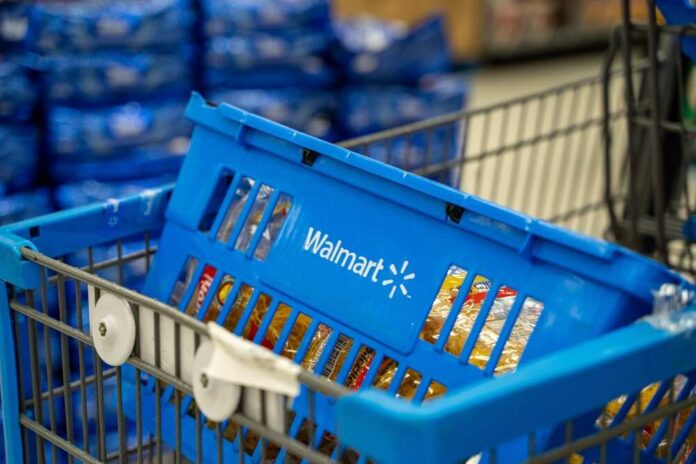
Walmart reported a clear shift in carts after a string of technology failures hit banks, airlines, and key platforms. Shoppers bought more bottled water, propane, and camping gear, according to the company’s spokesperson, who linked the behavior to the disruptions. The burst also reached pantry basics like soup and other non-perishables, consistent with a short, safety-first mindset seen in past scares. Walmart’s message was simple: when services feel shaky, families shore up the basics.
Walmart’s chief financial officer, John David Rainey, put the scale in context. He said the company saw “a small amount” of this behavior and noted higher comparable sales in jugged water and propane. That framing matters. It signals a real response, but not a nationwide run on stores. The data so far points to targeted readiness buying, not a months-long spree. Households did what common sense says to do: cover water, heat, light, and simple meals.
From Jetway To Checkout: How Outages Nudge Behavior
Recent failures did not hit one niche. They touched flights, payments, and core software services, which raised a simple worry: if more systems fail, what then? That question sent people to aisles with goods that work without a signal or a socket. Analysts and reporters saw it across retailers: generators, canned goods, bottled water, and other preparedness staples moved faster than usual. These are practical, low-regret items that store well and work in many crises.
Short buying spurts like this have a long track record. Y2K fears sparked water and food stock-ups that faded once the date turned. Disaster researchers often separate panic from prudence. A few extra gallons of water and a spare fuel can are not fringe; they are a hedge. Early reporting suggests the same pattern here: a short, measured lift tied to news cycles and the breadth of outages, not a breakdown in supply or store orders. Calm beats chaos when leaders and retailers communicate clearly.
The Conservative Read: Resilience Starts At Home
Households did what past generations did without shame: prepare. That aligns with basic conservative values. Self-reliance lowers strain on first responders when real trouble hits. A family with water, food, and light for a few days buys time for crews to fix the grid or restore networks. Walmart’s comments support that story. People did not wait for perfect answers from officials; they acted within their means and chose items with clear use if outages repeat. That is prudence, not panic.
Walmart Reports Jump in Sales of Soup, Water, and Food as Tech Outages Trigger Panic Buying ~ https://t.co/nAam1Cbvkt
— MikeKirby (@mikekirbyone) November 22, 2026
Officials have said there is no confirmed cyberattack behind the outages, yet unease rose as failures stacked up across sectors. Media and analysts flagged signs of pantry loading and noted spikes at emergency-focused brands during the outage window. These facts explain the nudge to buy, even if the root causes vary. The smarter lesson is evergreen: build a modest home kit before trouble, not during it. That turns a news shock into a non-event for your family budget and nerves.
What To Watch Next: Signals Of A Return To Normal
Retailers will show whether this was a blip or a trend. If weekly sales in water, fuel, and shelf-stable goods fall back to normal, the stock-up passed. If repeat outages hit payments or travel again, expect another bump. Walmart’s early view, backed by its finance chief, points to a brief lift, not a lasting surge. That fits the record from prior scares: consumers top off, then pause. The strongest defense is simple: steady communication, steady supply, steady households.
Sources:
foxbusiness.com, finance.yahoo.com, fox32chicago.com, cbsnews.com