

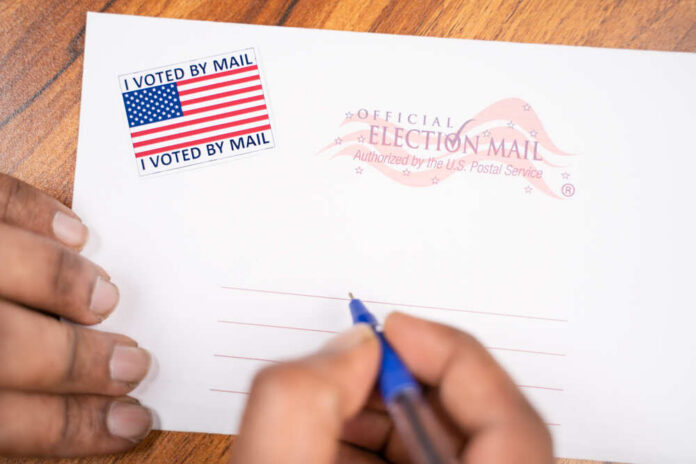
Federal prosecutors say a Utah letter carrier tossed about 300 mail-in ballots into a church dumpster, and the indictment spells it out plainly.
At a Glance
- A federal grand jury indicted Damon Matai Seei for discarding mail, including about 300 ballots.
- Officials say the dumped ballots were for Eagle Mountain voters ahead of the June 2026 primary.
- Prosecutors described no political motive; Seei pleaded not guilty.
- Mail-ballot fraud is rare, but system trust relies on swift detection and response.
What Prosecutors Allege Happened In Eagle Mountain
Federal prosecutors charged Damon Matai Seei, 34, a former United States Postal Service letter carrier, with unlawful secretion, destruction, and delay of mail.
The indictment says he threw away mail he was supposed to deliver, including approximately 300 mail-in ballots for registered voters in Utah County.
The United States Attorney’s Office for Utah unsealed the case on September 22, 2026, laying out the core facts and the single felony count tied to the discarded mail.
🚨Acting Deputy Attorney General @PADAGMcCotter announces the unsealing of an indictment charging a former USPS Postal Worker for allegedly disposing of HUNDREDS of Mail-In Ballots in Utah ⬇️ pic.twitter.com/QPv0E6o3GC
— U.S. Department of Justice (@TheJusticeDept) September 22, 2026
Acting Deputy Attorney General Trent McCotter said Seei was on his Eagle Mountain route when he discarded the ballots and other mail in a church parking lot dumpster not long after his shift began.
Officials said the dumped pieces were part of the primary election process for June 2026. That timeline places the act in the critical window when ballots must move promptly from postal trays to voter mailboxes.
The Defense Stance And The Motive Question
Seei pleaded not guilty. Officials said he indicated there was no political agenda. Reporting from the press conference added that he told investigators he did not intend to throw away ballots and was trying to lighten his workload by discarding advertisements.
That claim, if true, points to carelessness rather than ideology, but the charge centers on the destruction and delay of mail, not motive. The legal process will test those explanations against the facts.
Prosecutors at the announcement emphasized the ballots were clearly marked and set aside from other mail. One outlet reported that officials said he separated the ballots early, delivered none of them, and discarded them within roughly ninety minutes.
If accurate, that sequence undercuts any suggestion of a simple sorting mistake and pushes it toward willful mishandling. The defense will likely argue confusion, stress, or workload pressures instead of intent to interfere with voting.
What This Case Says About Mail Voting Security
The public hears “300 ballots in a dumpster” and sees a system on a knife’s edge. The wider record gives a different view. Analyses show mail-ballot fraud is very rare across large numbers of votes.
A Brookings Institution review found a rate near six in ten million over long horizons. That does not excuse one bad act; it shows why detection, tracing, and accountability matter more than blanket doubt about the entire system.
TRASHED BALLOTS: A former Utah postal worker is accused of dumping about 300 mail-in ballots in a church parking lot dumpster weeks before the state’s June primary. https://t.co/EIIzx7kxXD
https://t.co/wY0o9CxQSD— Linda Adams (@lda1954) September 23, 2026
The Postal Service and prosecutors moved fast here, which is the point. Chain-of-custody markings, distinct envelopes, and route accountability make this kind of act stand out.
The fact an indictment exists means controls flagged the loss and led to evidence that can be tested in court. That response builds trust. The read is simple: enforce the law hard, deter the next person, and keep the proven security steps that surface problems early.
The Stakes For Voters And Election Officials
Utah voters expect their ballot to arrive and be counted. Election officials rely on steady mail flows, clear labels, and route scans to make that happen.
A single carrier can cause harm if he breaks the rules, but the structure around him—supervisors, audit trails, and federal law—exists to catch and punish it.
This case reminds officials to stress training before peak season and to run back-end checks that spot gaps within hours, not days.
Voters can also take simple steps. Track when ballots are sent. Watch for them during the known mailing window. Use secure drop boxes or hand-deliver to election offices if mail seems delayed. These actions complement postal safeguards without burdening honest voters.
The path forward is not panic. It is vigilance, fast reporting, and firm consequences when trust is broken. That mix keeps access open and abuse rare, which is what fair elections require.
Sources:
spectrumlocalnews.com, rawstory.com, justice.gov, nbcnews.com, about.usps.com