

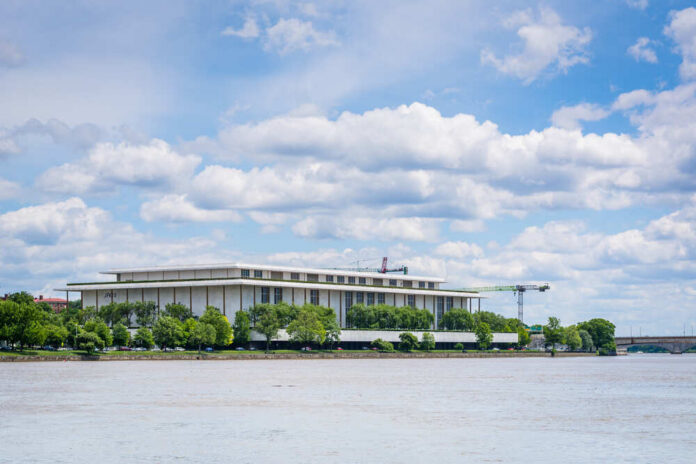
The Kennedy Center’s board voted to inscribe “Restored and Renovated by President Donald J. Trump” on its facade and to close the venue for two years, even as a federal judge’s earlier order said no.
Story Snapshot
- The board approved credit language for President Trump on the building’s exterior.
- A two-year closure tied to renovations advanced despite a prior injunction.
- Courts previously said only Congress can change the center’s name.
- Appeal activity and new reporting keep the legal fight active.
What the Board Approved and Why It Matters
Board members voted on August 13, 2026, to add an exterior inscription crediting President Trump for restoration and renovation, with wording reported as “Restored and Renovated by President Donald J. Trump”.
They also backed a plan to close most or all of the center for up to two years to carry out renovation work. Reports described the board as aligned with Trump, which helps explain the vote’s direction and language. The board’s posture referenced acting through “all legal means”.
The same reports noted Trump’s name had appeared on the building last year, before a judge ordered its removal in May. That timing shows the current dispute grew from an ongoing naming effort, not a sudden idea.
Backers argue this is not a formal renaming, since “John F. Kennedy” remains on the building. They frame the new phrase as recognition tied to renovations rather than a change to the official name. That distinction sets up the legal test that now follows.
What the Judge Already Said
United States District Judge Christopher Cooper ruled in May that the board could not rename the center, because Congress set its name in law. He wrote that Congress gave the Kennedy Center its name and only Congress can change it. The court also halted the two-year shutdown plan.
The ruling found the board’s record on the closure was too thin and did not meet the center’s obligations as a national memorial and performing arts venue. Those findings still shape the battlefield today.
Appeal activity cut against the board’s position this summer. The appeals court denied President Trump’s request to pause removal of his name from the building while the case proceeds.
The center removed Trump’s name in June but is appealing the ruling, which kept litigation active while the board advanced the new inscription and closure plan.
The court also required the center to provide renovation and closure information by a specific date, confirming the shutdown is under scrutiny as a concrete plan.
The “Renovation Credit” Argument vs. The Law on Memorials
Supporters of the inscription argue it is not a new name but a descriptive credit linked to construction. That argument tries to solve the problem the judge identified. The wrinkle comes from what the law and the injunction cover.
The reporting shows the judge barred signage that implies the institution is named for anyone other than Kennedy. The new phrase sits near that line, inviting a quick legal challenge to determine whether it crosses it.
Some outlets reported that much of the renovation tied to the “restored and renovated” credit has not yet occurred. That timing weakens the factual case for immediate credit. Readers will see a simpler standard here: deliver results first, then claim them.
If the board wants public trust, it should show schedules, contracts, and clear upgrades that require any long closure. That is not anti-Trump; it is basic accountability that respects donors, taxpayers, and audiences.
Practical Stakes for Performances, Patrons, and Taxpayers
A two-year shutdown would affect artists, staff, and season plans. The earlier ruling flagged risks to programming and to the center’s duties as a living memorial.
Judges do not like record gaps, so the board’s best move is to put out a full project book that includes scope, budget, sequencing, life-safety upgrades, and a credible timeline. Clear facts beat rumor. If the work is necessary and urgent, people will accept short-term pain for long-term gain.
🚨 WIRE REPORT
TRUMP’S NAME IS GOING BACK ON THE KENNEDY CENTER
The Kennedy Center board has voted to once again put President Donald Trump’s name on the iconic Washington performing arts complex — setting up another potential showdown with the courts.
The new proposal would… pic.twitter.com/DHkEEjmkg0
— The Parallel Wire (@ParallelWire) August 15, 2026
The center’s leaders also face a message problem. If they call it a renovation credit, they must keep politics out of construction decisions and plaque language. That means no semantic games. Respect the statute, the memorial’s purpose, and the court’s orders.
The clean path is: keep the official name set by Congress, complete the work with transparency, and reserve any donor or presidential recognition for truthful, modest, and lawful acknowledgments only after real progress is made.
Sources:
apnews.com, nytimes.com, aljazeera.com, npr.org, time.com, latimes.com, courthousenews.com, cnn.com, politico.com