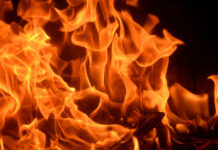


One Italian tourist died and nearly 1,700 guests ran for their lives as a dream Caribbean resort burned to its bones.
Story Snapshot
- A massive blaze destroyed most of the Viva Wyndham Dominicus Beach resort in Bayahibe, Dominican Republic.
- About 1,700 tourists were evacuated as flames raced along thatched roofs driven by strong winds.[2]
- A 46-year-old Italian woman, Francesca Valentino, died after being taken to a local hospital.[2]
- The official cause of the fire is still under investigation, even as tourism messaging pushes “back to normal.”[1]
When a Paradise Postcard Turns Into a Fire Escape Plan
Guests at the Viva Wyndham Dominicus Beach woke up expecting turquoise water and buffet coffee; many ended the day clutching passports, kids, and phone chargers on a smoking curb.
The fire broke out Friday morning at the beachfront resort in Bayahibe, on the Dominican Republic’s southeast coast, and moved fast enough that officials ordered the evacuation of nearly 1,700 guests to nearby hotels.[2] Drone images later showed charred buildings and blackened palm trees where swim-up bars once stood.[1]
Emergency officials say one tourist, Italian national Francesca Valentino in her mid‑40s, died after being transported to a hospital in La Romana.[2]
She reportedly suffered from severe smoke inhalation rather than burns, a detail that hints at how dangerous even “contained” hotel fires can be for people caught in the wrong corridor.[12] At least nine others needed treatment, with several taken to hospitals and others treated at the scene before being cleared.[1]
How Thatched Roofs and Strong Winds Turned a Fire Into a Monster
Fire investigators have not yet said what sparked the first flame, but they are already clear about why the resort went up so fast. Dominican authorities say wind and the highly flammable thatched or palm‑frond roofs on parts of the property helped the fire race across buildings.[2]
The country’s Emergency Operations Center stated the blaze “spread rapidly” because of wind and thatch roofing, a known fire risk when not paired with strong suppression systems.[14] Once those roofs catch, you do not get second chances.
At least one person died after a massive fire broke out at a resort in the Dominican Republic, officials said. https://t.co/OTpwDH0lhe pic.twitter.com/MYV2oMjMUt
— ABC7 Eyewitness News (@ABC7) June 20, 2026
The firefight itself was no small-town response. The Dominican Republic Foreign Ministry told reporters that fifteen firefighting units battled the blaze, taking several hours to bring it under control.[4] Some emergency personnel even suffered heatstroke while working in the intense conditions.[2]
Yet officials stressed that tourist activity in the larger Bayahibe area would continue normally and a nearby sister property, Dominicus Palace, was undamaged and stayed open.[4] That quick “everything’s fine” message may comfort tour operators, but it should also raise tough questions about building choices and fire codes.
Evacuating Nearly 1,700 Tourists Is Not a Simple Headcount
Moving close to 1,700 people from a burning resort is not like clearing a school gym.[2] Guests included families, older travelers, and nearly 200 children and babies, all pulled from rooms and pools as smoke rolled over the grounds.[4]
Staff and responders hustled guests onto buses and into other hotels while keeping some kind of record of who went where. Early numbers vary slightly from one outlet to another, which is normal when officials work from fast tallies rather than final manifests.[1]
An employee later described chaos and fear as guests tried to grab basic belongings and find their loved ones.[12] Yet the resort’s own statement stressed that “all other guests and staff were safely evacuated” beyond the one tragic death.[12]
That tension is common in disaster stories: people on the ground remember confusion and close calls, while brands and tourism officials focus on order, control, and quick recovery. Common sense says both can be true at once—but only a full incident report will show how close this came to a mass‑casualty event.
Open Questions and the Cost of Looking the Other Way
The most uncomfortable fact in this story is also the simplest: no one has publicly said what started the fire. Officials repeat that the cause remains under investigation even as reporters move on and marketing teams emphasize that life in Bayahibe goes on.[1]
When a property relies on thatched roofs, packs in hundreds of rooms, and operates under a global brand, Americans who care about responsibility should want more than “we are looking into it” and “back to normal tours next week.”
A devastating fire at the Viva Wyndham Dominicus Beach Resort in Bayahibe, Dominican Republic, claimed the life of a 46-year-old Italian tourist and forced the evacuation of nearly 1,700 guests. Authorities have launched an investigation as tourism operations continue in the… pic.twitter.com/gIx5b7cbEV
— WIC News (@WIC_News) June 22, 2026
From a common‑sense angle, this is about trade‑offs we rarely see on the brochure. Guests trust that basic fire safety is in place and enforced. Operators want the charm of rustic roofs and the profit of high occupancy.
Regulators in tourist economies feel pressure to keep investment happy. That mix can work—until one spark, one gust of wind, and one design choice turn a luxury resort into a mass evacuation scene that leaves one woman dead and a lot of hard questions still unanswered.[5]
Sources:
[1] Web – Massive fire destroys resort in Dominican Republic and forces …
[2] Web – 1 killed in large fire at luxury resort in Dominican Republic – CBS …
[4] Web – Tourist Dead, Nearly 1700 Others Evacuated After Fire Engulfs …
[5] Web – Woman killed, 1,700 evacuated in beach hotel fire in Dominican …
[12] Web – Massive fire destroys resort in Dominican Republic and forces …
[14] Web – A massive fire almost completely destroyed the Viva Dominicus …